If you’re looking to shed body fat efficiently, forget the fad diets and miracle supplements. Science has given us clear, repeatable methods that actually work. Here are five strategies backed by peer-reviewed research that you can start implementing today.
1. High-Intensity Interval Training (HIIT)
HIIT consistently outperforms steady-state cardio for fat loss in clinical studies. A meta-analysis published in the British Journal of Sports Medicine found that HIIT reduces total body fat by 28.5% more than moderate-intensity continuous training.
The secret is EPOC — Excess Post-Exercise Oxygen Consumption. After a HIIT session, your metabolism stays elevated for up to 24 hours, burning additional calories while you rest. Our HIIT and Burn 4-Week Cardio Blitz program is specifically designed around this principle.
How to apply it: Replace 2-3 of your weekly steady-state cardio sessions with 20-25 minute HIIT workouts. Use a 1:2 work-to-rest ratio (e.g., 20 seconds all-out effort, 40 seconds recovery).
2. Prioritize Protein Intake
Protein has a thermic effect of food (TEF) of 20-30%, meaning your body burns 20-30% of protein calories just digesting them. Compare that to carbs (5-10%) and fats (0-3%). Simply increasing your protein intake can boost your daily calorie burn by 80-100 calories.
Beyond TEF, protein preserves lean muscle mass during a calorie deficit — crucial because muscle is metabolically active tissue that burns calories 24/7.
How to apply it: Aim for 1.6-2.2g of protein per kilogram of body weight daily. Spread it across 4-5 meals with 30-40g per serving for optimal muscle protein synthesis.
3. Strength Training Over Cardio-Only
While cardio burns calories during the session, strength training builds muscle that burns calories around the clock. Research from Harvard found that men who did 20 minutes of daily weight training had less age-related belly fat gain than those who spent the same time doing cardio.
Each kilogram of muscle burns approximately 13 calories per day at rest — it doesn’t sound like much, but adding 3-5 kg of muscle means 40-65 extra calories burned daily, or about 2-3 kg of fat per year without changing anything else.
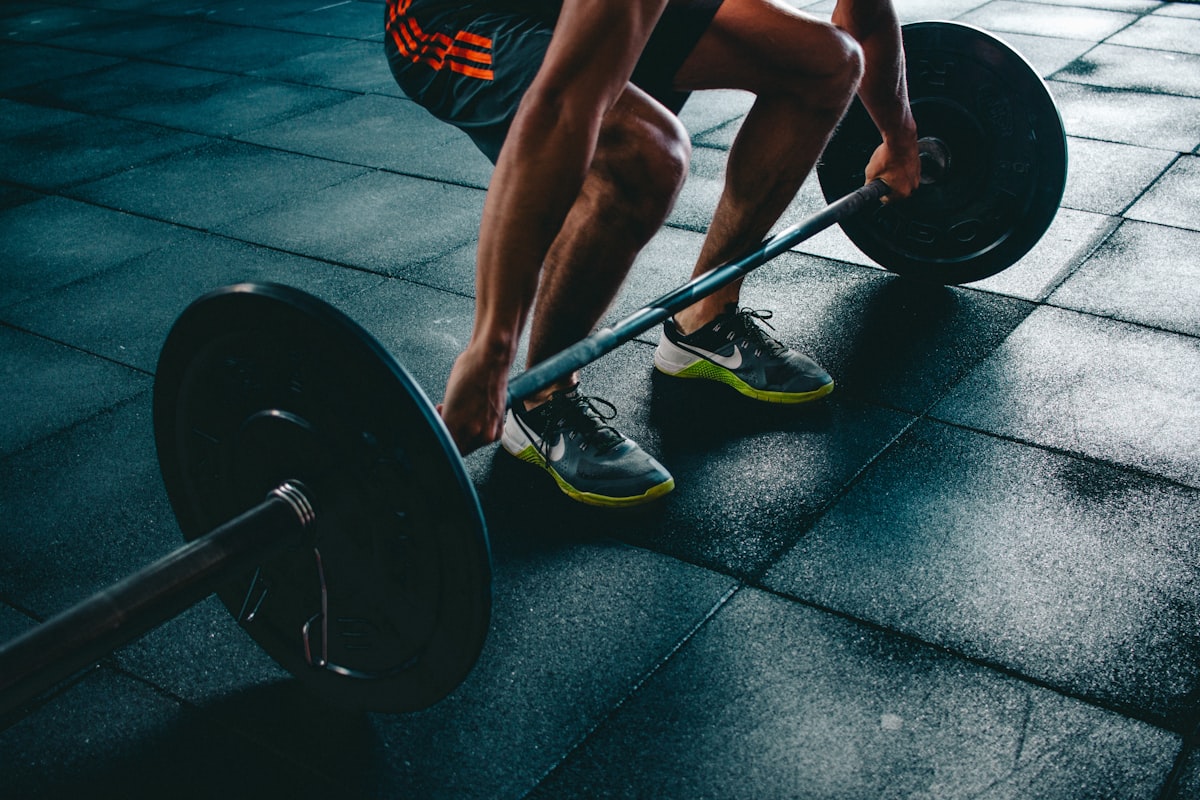
How to apply it: Train with weights 3-4 times per week focusing on compound movements (squats, deadlifts, bench press, rows). Our Muscle Building Blueprint lays out a complete periodized program.
4. Sleep 7-9 Hours Per Night
Sleep deprivation is a silent fat-loss killer. A University of Chicago study found that people who slept 5.5 hours per night lost 55% less fat than those who slept 8.5 hours — even on the exact same diet. Poor sleep increases cortisol, reduces insulin sensitivity, and spikes hunger hormones (ghrelin up, leptin down).
How to apply it: Set a consistent bedtime, keep your room cool (18-20°C), avoid screens 30 minutes before bed, and limit caffeine after 2 PM.
5. Walk More (Non-Exercise Activity Thermogenesis)
NEAT — the calories you burn through daily movement that isn’t formal exercise — accounts for 15-30% of total daily energy expenditure. Research shows that NEAT can vary by up to 2,000 calories per day between individuals.
Simply increasing your daily step count from 4,000 to 10,000 steps can burn an additional 300-500 calories per day — equivalent to about 0.5 kg of fat loss per week without any dietary changes.
How to apply it: Track your daily steps and gradually increase by 1,000 per week until you hit 8,000-10,000 steps daily. Walk during phone calls, take the stairs, and add a 15-minute post-meal walk.
The Bottom Line
Fat loss isn’t about finding one magic solution — it’s about stacking multiple evidence-based strategies. Combine HIIT with strength training, increase protein, prioritize sleep, and move more throughout the day. These five strategies work synergistically: each one amplifies the others.
Ready to put these principles into action? Our Ultimate Shred Bundle combines a workout program, HIIT cardio, and a keto meal guide into one complete fat-loss system.